
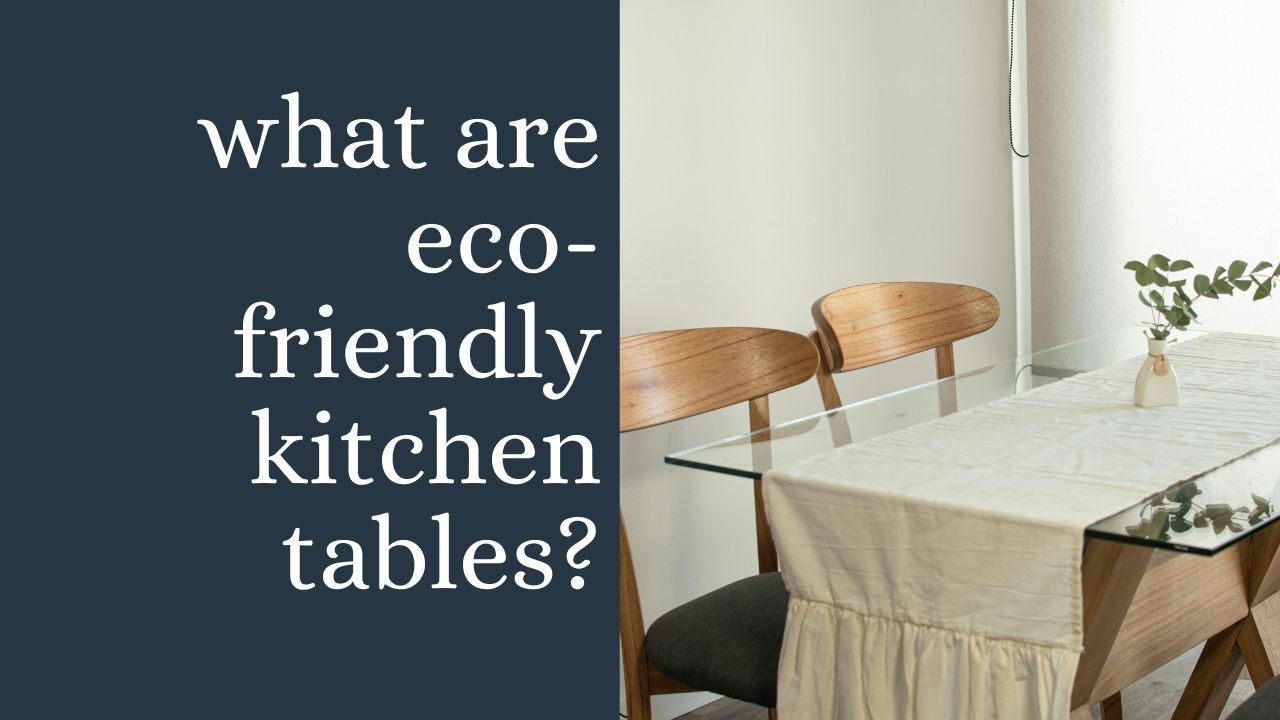
What Are Eco‑Friendly Kitchen Tables?
Eco‑friendly kitchen tables are dining or kitchen tables made from sustainable, responsibly sourced, recycled, or low‑impact materials. They are designed to reduce environmental harm during production, use, and disposal. Unlike mass‑produced furniture made from synthetic materials or illegally sourced wood, eco‑friendly tables focus on sustainability, durability, and non‑toxic finishes.
Choosing an eco‑friendly kitchen table not only supports the environment but also creates a healthier indoor space for your family.
Why Choose an Eco‑Friendly Kitchen Table?
Traditional furniture can involve:
- Deforestation
- Toxic chemical finishes
- High carbon emissions
- Short lifespan (cheap materials)
Eco‑friendly tables are different. They aim to:
- Use renewable or reclaimed materials
- Reduce waste
- Avoid harmful chemicals
- Last for many years
Long‑lasting furniture is more sustainable because it doesn’t need frequent replacement.
Common Materials Used in Eco‑Friendly Kitchen Tables
The material is the most important factor when determining whether a table is environmentally friendly.
1. Reclaimed Wood
Reclaimed wood comes from old barns, buildings, or furniture. Instead of cutting new trees, manufacturers reuse existing wood.
Benefits:
- Reduces deforestation
- Unique character and texture
- Strong and durable
2. FSC‑Certified Wood
FSC (Forest Stewardship Council) certification ensures the wood comes from responsibly managed forests.
Look for:
- FSC label
- Sustainable sourcing statements
This guarantees trees are replanted and ecosystems are protected.
3. Bamboo
Bamboo is one of the fastest‑growing plants in the world.
Benefits:
- Renewable resource
- Lightweight but strong
- Modern appearance
It regenerates much faster than hardwood trees.
4. Recycled Metal or Steel
Some eco‑friendly tables use recycled steel frames or bases.
Benefits:
- Reduces mining
- Highly durable
- Industrial or modern style
5. Recycled Plastic or Composite Materials
These are made from post‑consumer plastic waste.
Benefits:
- Diverts waste from landfills
- Weather‑resistant
- Often used in modern or outdoor kitchen spaces
Eco‑Friendly Finishes Matter Too
Even sustainable wood can become less eco‑friendly if treated with toxic chemicals.
Look for:
- Low‑VOC finishes
- Water‑based stains
- Natural oils (like linseed oil)
- Non‑toxic sealants
Low‑VOC (volatile organic compounds) finishes improve indoor air quality.
Comparison Table: Eco‑Friendly Kitchen Table Materials
| Material | Sustainability Level | Durability | Style Type |
|---|---|---|---|
| Reclaimed Wood | Very High | High | Rustic, farmhouse |
| FSC‑Certified Wood | High | High | Traditional, modern |
| Bamboo | Very High | Medium–High | Modern, minimalist |
| Recycled Metal | High | Very High | Industrial |
| Recycled Plastic | High | Medium | Contemporary |
How to Know If a Table Is Truly Eco‑Friendly
Before buying, ask:
- Is the wood certified?
- Is the material reclaimed or recycled?
- Are finishes low‑VOC?
- Is the company transparent about sourcing?
- Is the table built to last?
Sustainability includes both material and longevity.