
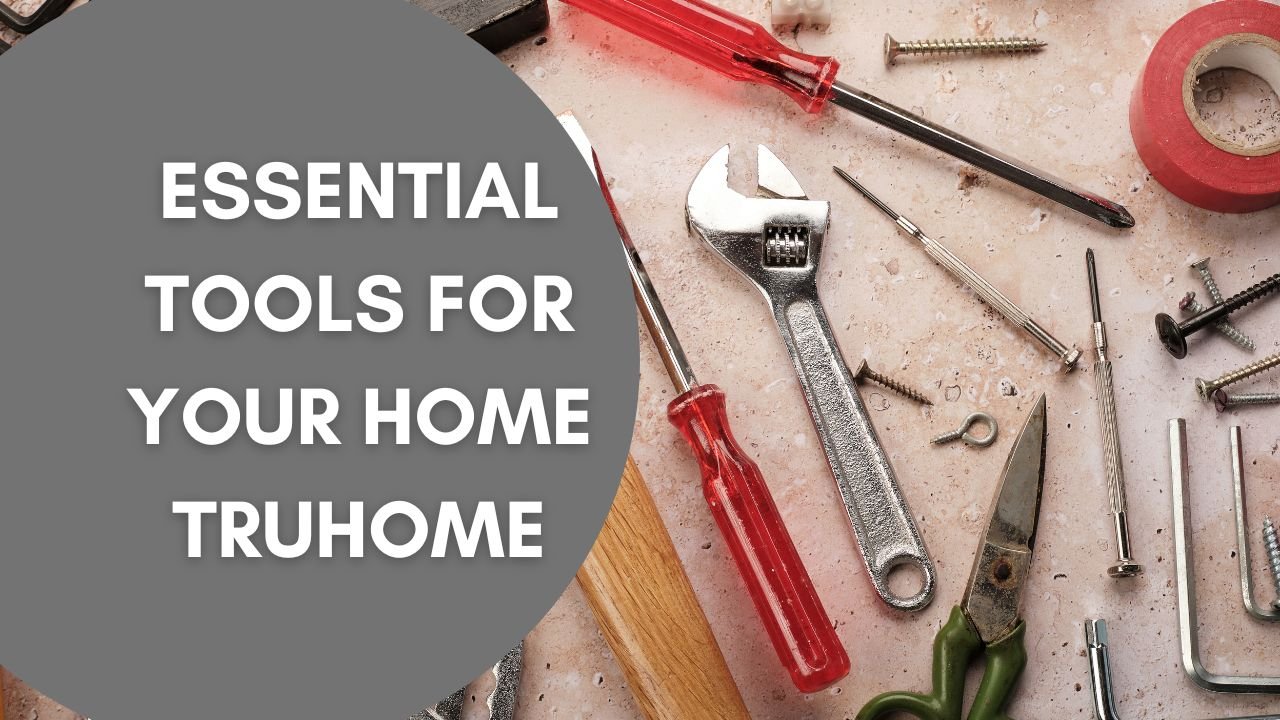
Every homeowner should have a basic set of tools ready. Whether you’re tightening a loose cabinet handle, hanging wall art, fixing a leaky faucet, or assembling furniture, the right tools save time, money, and stress.
You don’t need a huge toolbox — just the essentials that handle most everyday home repairs and maintenance.
Below is a practical list of must‑have tools every home should have.
Why Every Home Needs Basic Tools
Owning essential tools helps you:
- Fix small problems before they get worse
- Save money on simple repairs
- Handle emergencies quickly
- Maintain your home properly
- Avoid unnecessary service calls
Even renters benefit from having basic tools.
Basic Hand Tools (Must-Have Essentials)
These tools cover 80% of common household tasks.
1. Claw Hammer
Used for:
- Hanging pictures
- Assembling furniture
- Removing nails
A 16‑ounce claw hammer is ideal for most homes.
2. Screwdriver Set
You’ll need both:
- Flathead
- Phillips
Many items require different sizes, so a small set is best.
Optional upgrade: Multi-bit screwdriver.
3. Adjustable Wrench
Perfect for:
- Plumbing repairs
- Tightening bolts
- Furniture assembly
One medium-size adjustable wrench works well for most jobs.
4. Pliers (Slip-Joint or Needle-Nose)
Useful for:
- Gripping small objects
- Bending wires
- Pulling nails
- Minor plumbing tasks
Needle-nose pliers are especially versatile.
5. Tape Measure
Essential for:
- Measuring furniture
- Planning layouts
- Checking space dimensions
- DIY projects
A 25‑foot tape measure is standard.
6. Utility Knife
Great for:
- Opening boxes
- Cutting drywall
- Trimming materials
- Small repair work
Always keep extra blades.
Power Tools (Helpful But Optional)
Not mandatory, but very useful.
7. Cordless Drill
One of the most valuable tools for any home.
Used for:
- Hanging shelves
- Installing curtain rods
- Assembling furniture
- Drilling holes
Choose one with adjustable speed and rechargeable battery.
8. Drill Bit Set
Pair your drill with a variety of bits for:
- Wood
- Metal
- Masonry
Safety & Maintenance Tools
Home safety is just as important as repairs.
9. Flashlight (LED)
Useful for:
- Power outages
- Inspecting dark areas
- Electrical work
- Under-sink repairs
Rechargeable LED models are best.
10. Stud Finder
Helps locate studs in walls when:
- Hanging heavy items
- Installing TVs
- Mounting shelves
Prevents wall damage.
11. Level
Ensures:
- Frames hang straight
- Shelves are balanced
- Appliances are aligned
Even a small 9‑inch level works well.
12. Plunger
Every home needs:
- Toilet plunger
- Sink plunger
Don’t wait until you need one.
Essential Tools Summary Table
| Tool | Purpose | Priority Level |
|---|---|---|
| Hammer | Nails & small repairs | Essential |
| Screwdriver Set | Fastening screws | Essential |
| Adjustable Wrench | Plumbing & bolts | Essential |
| Pliers | Gripping & bending | Essential |
| Tape Measure | Measuring spaces | Essential |
| Utility Knife | Cutting materials | Essential |
| Cordless Drill | Installing & drilling | Highly Recommended |
| Flashlight | Visibility & emergencies | Essential |
| Level | Straight alignment | Essential |
| Stud Finder | Safe wall mounting | Recommended |
| Plunger | Drain emergencies | Essential |
Basic Home Emergency Kit Additions
Consider also keeping:
- Duct tape
- Electrical tape
- Extension cord
- Super glue
- Allen wrench set
- Spare batteries
These small items often save the day.
Budget Guide
Basic starter tool kit: $50–$100
Mid-range quality tools: $150–$300
Complete home toolkit: $300–$600
Buying quality tools once is better than replacing cheap ones often.
Where to Store Your Tools
Keep tools:
- In a toolbox
- In a designated drawer
- In a garage storage cabinet
- Easily accessible for emergencies
Avoid scattering tools around the house.