
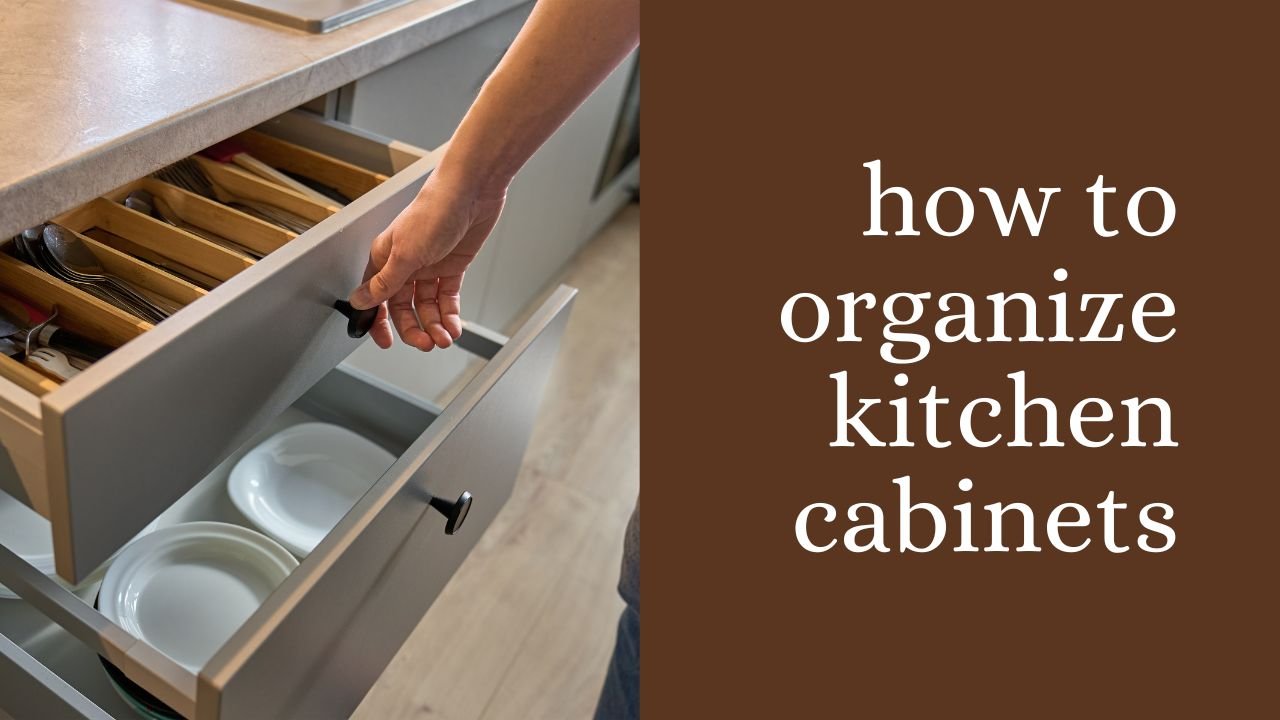
Kitchen cabinets can easily become cluttered, overcrowded, and hard to manage. Pots stack unevenly, lids disappear, plastic containers multiply, and everyday items get buried behind rarely used tools. The key to organizing kitchen cabinets isn’t just cleaning them once — it’s creating a system that makes daily use easier.
When cabinets are organized properly, cooking becomes faster, groceries are easier to put away, and your kitchen feels calmer and more functional.
Below is a step‑by‑step guide with practical tips, followed by an easy reference table to help you organize efficiently.
Step 1: Empty Everything First
Before organizing, remove everything from your cabinets. This step is essential because it allows you to:
- See what you actually own
- Get rid of duplicates
- Toss broken or unused items
- Clean the cabinet interiors
Wipe shelves with warm soapy water and let them dry completely. Starting with a clean space makes the organization process much smoother.
Step 2: Sort and Declutter
Group items into categories such as:
- Plates and bowls
- Glasses and mugs
- Pots and pans
- Food storage containers
- Baking tools
- Small appliances
- Spices
Be realistic. If you haven’t used something in over a year, consider donating it. Extra gadgets often take up prime cabinet space without serving a real purpose.
Step 3: Store Items Based on Frequency
One of the most important organization rules is storing items based on how often you use them.
Daily‑use items should be at eye level.
Heavy items should go on lower shelves.
Rarely used or seasonal items can go on higher shelves.
This simple rule makes everyday kitchen tasks easier.
Step 4: Use Organizers to Maximize Space
Cabinets have vertical space that often goes unused. Adding simple tools can double your storage capacity.
Helpful organizers include:
- Shelf risers for stacking plates
- Pull‑out baskets
- Lazy Susans for corner cabinets
- Drawer dividers
- Pot lid organizers
- Under‑shelf baskets
These small upgrades create clear zones and prevent messy stacking.
Step 5: Organize by Zones
Think of your kitchen in functional zones.
For example:
- Cooking zone (near stove)
- Prep zone (near counter space)
- Coffee station
- Baking zone
- Cleaning zone (under sink)
Keeping related items together reduces movement and makes cooking more efficient.
Step 6: Stack Smartly
Avoid unstable stacks.
For plates:
Use shelf risers so plates don’t become heavy piles.
For pots and pans:
Store them vertically if possible or use a pan rack.
For food containers:
Nest them with lids stored upright in a divider.
Stability keeps cabinets tidy long-term.
Step 7: Use Cabinet Doors
Cabinet doors offer hidden storage potential.
You can add:
- Hooks for measuring spoons
- Small racks for spices
- Slim storage for cutting boards
- Lid organizers
This works especially well in small kitchens.
Step 8: Keep Counter Overflow Out
Many cabinets become cluttered because countertop items are pushed inside randomly. Instead, give every appliance and tool a dedicated space.
If something doesn’t fit, it may be time to downsize.
Less clutter means more functional cabinets.
Kitchen Cabinet Organization Table (Quick Guide)
| Cabinet Area | What to Store | Helpful Organizer | Placement Tip |
|---|---|---|---|
| Upper Cabinets | Plates, bowls, glasses | Shelf risers | Eye level for daily dishes |
| Near Stove | Pots, pans, cooking utensils | Pan rack, lid holder | Lower cabinet for heavy items |
| Near Prep Area | Cutting boards, mixing bowls | Vertical dividers | Keep within reach |
| Baking Cabinet | Measuring cups, baking sheets | Drawer dividers | Group all baking tools together |
| Under Sink | Cleaning supplies | Pull-out bins | Use waterproof bins |
| Corner Cabinet | Large pots, small appliances | Lazy Susan | Maximize deep corners |
| Snack Cabinet | Snacks, lunch items | Clear bins | Label for easy access |
| Small Appliance Cabinet | Blender, toaster, mixer | Open shelf space | Store based on use frequency |
Small Kitchen Cabinet Tips
If you have limited cabinet space:
- Use matching storage containers to reduce visual clutter
- Store rarely used appliances outside the kitchen if possible
- Add hooks under cabinets for mugs
- Use stackable bins
- Keep only essentials inside
Small kitchens require intentional storage decisions.
Large Kitchen Cabinet Tips
If you have more cabinet space:
- Create clear zones to avoid spreading items randomly
- Avoid filling empty space just because it’s available
- Keep similar items grouped even if you have extra room
Even large kitchens can feel chaotic without structure.
Common Cabinet Organization Mistakes
Avoid:
- Overstuffing shelves
- Stacking unstable piles
- Ignoring vertical space
- Mixing unrelated items
- Keeping unused gadgets
A cabinet system only works if it’s simple and easy to maintain.
How Often Should You Reorganize?
Light refresh: Every 2–3 months
Full declutter: Once or twice per year
Consistency prevents major messes from building up again.